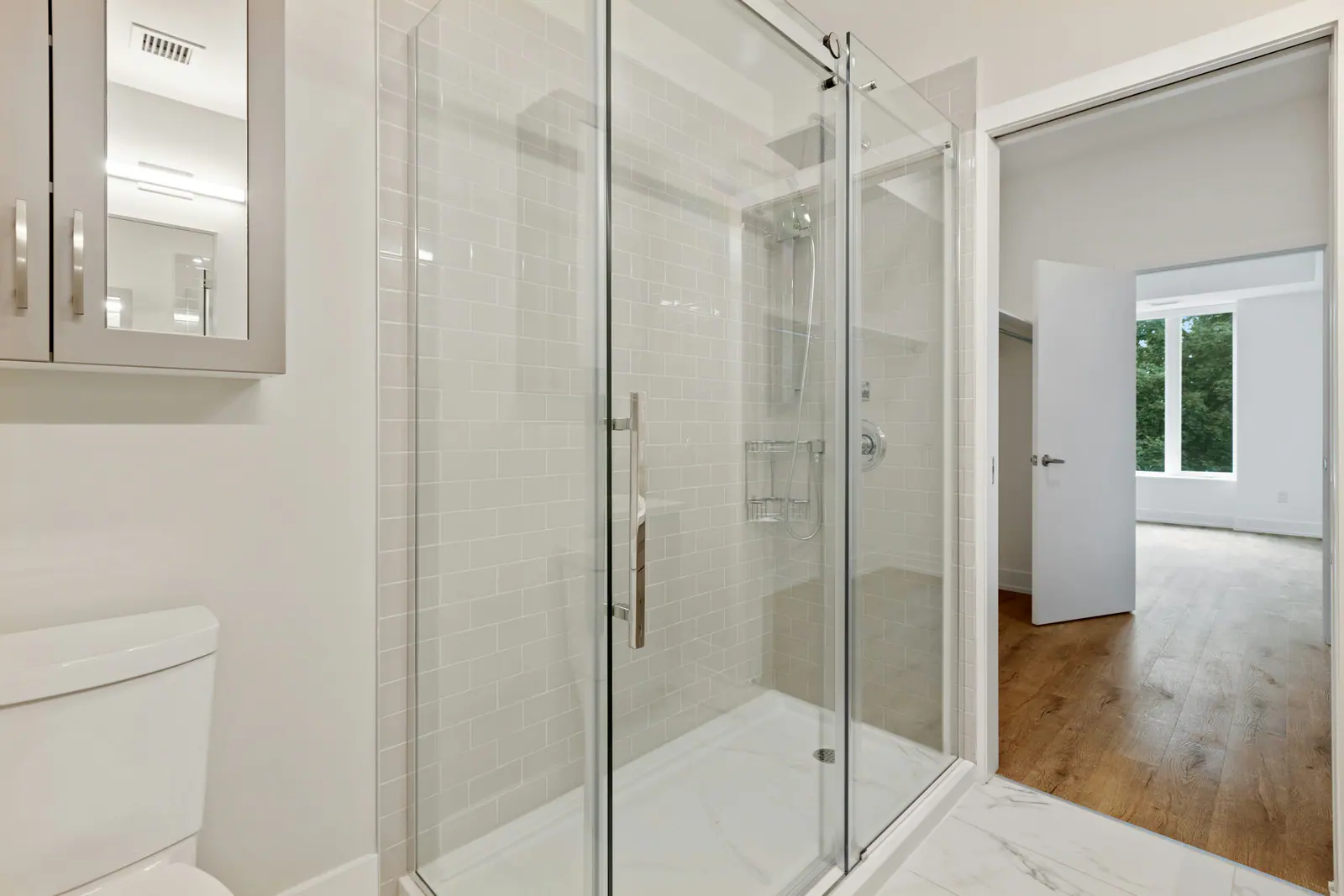
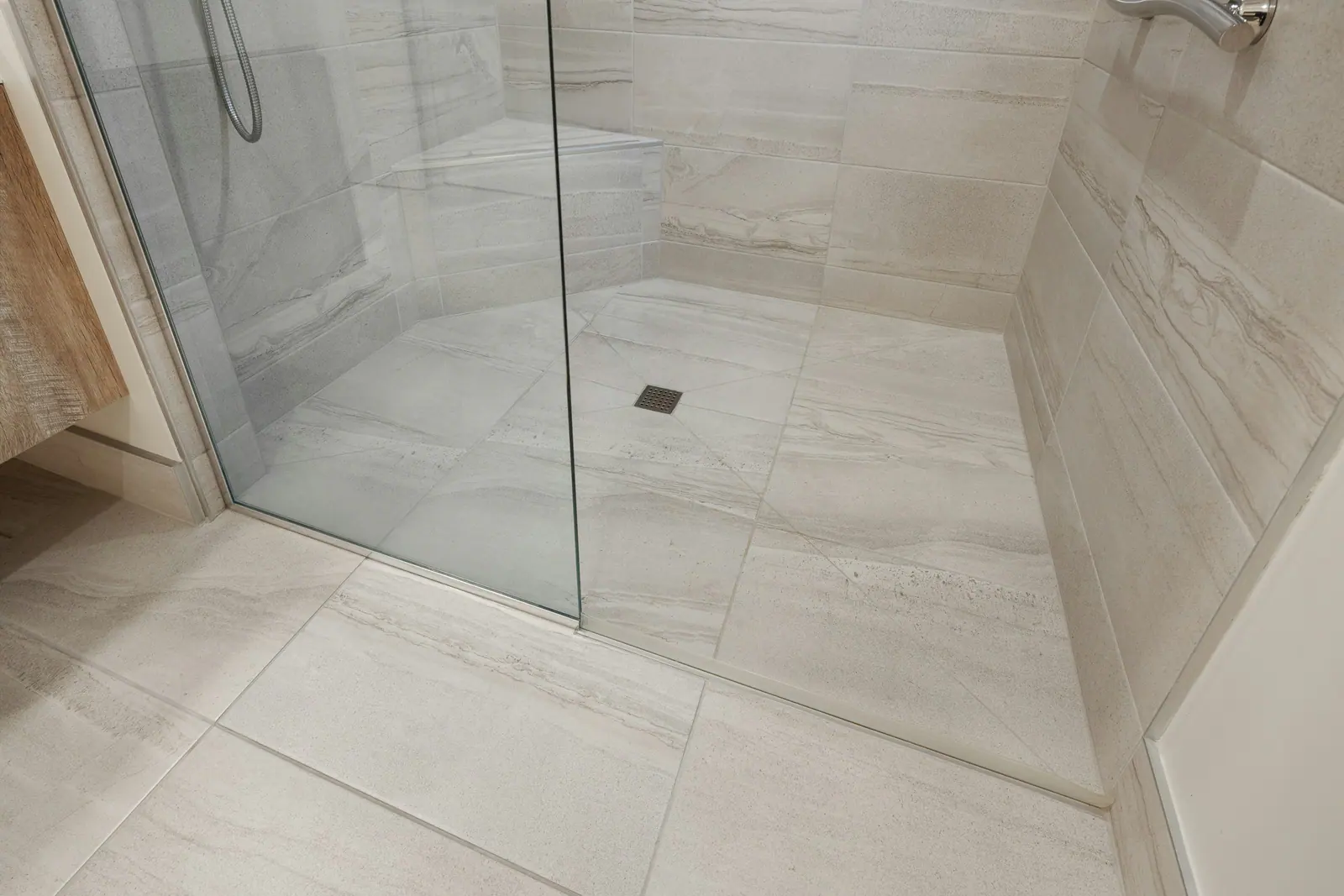
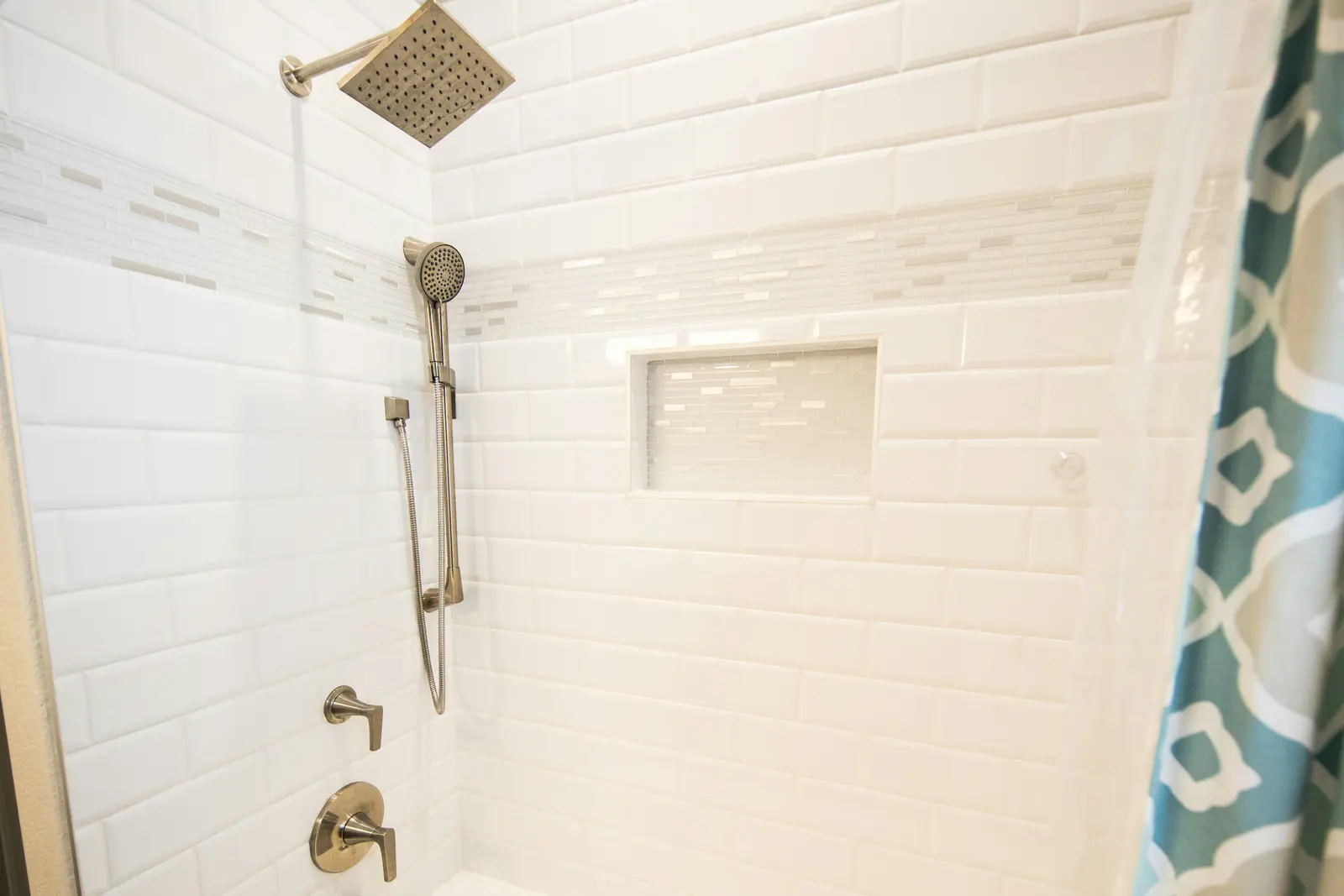
Is a tub to shower conversion worth it for your home?
Is a tub to shower conversion worth it? How it affects resale, when it makes a bathroom safer, who gains most, and when keeping the tub is the smarter call.
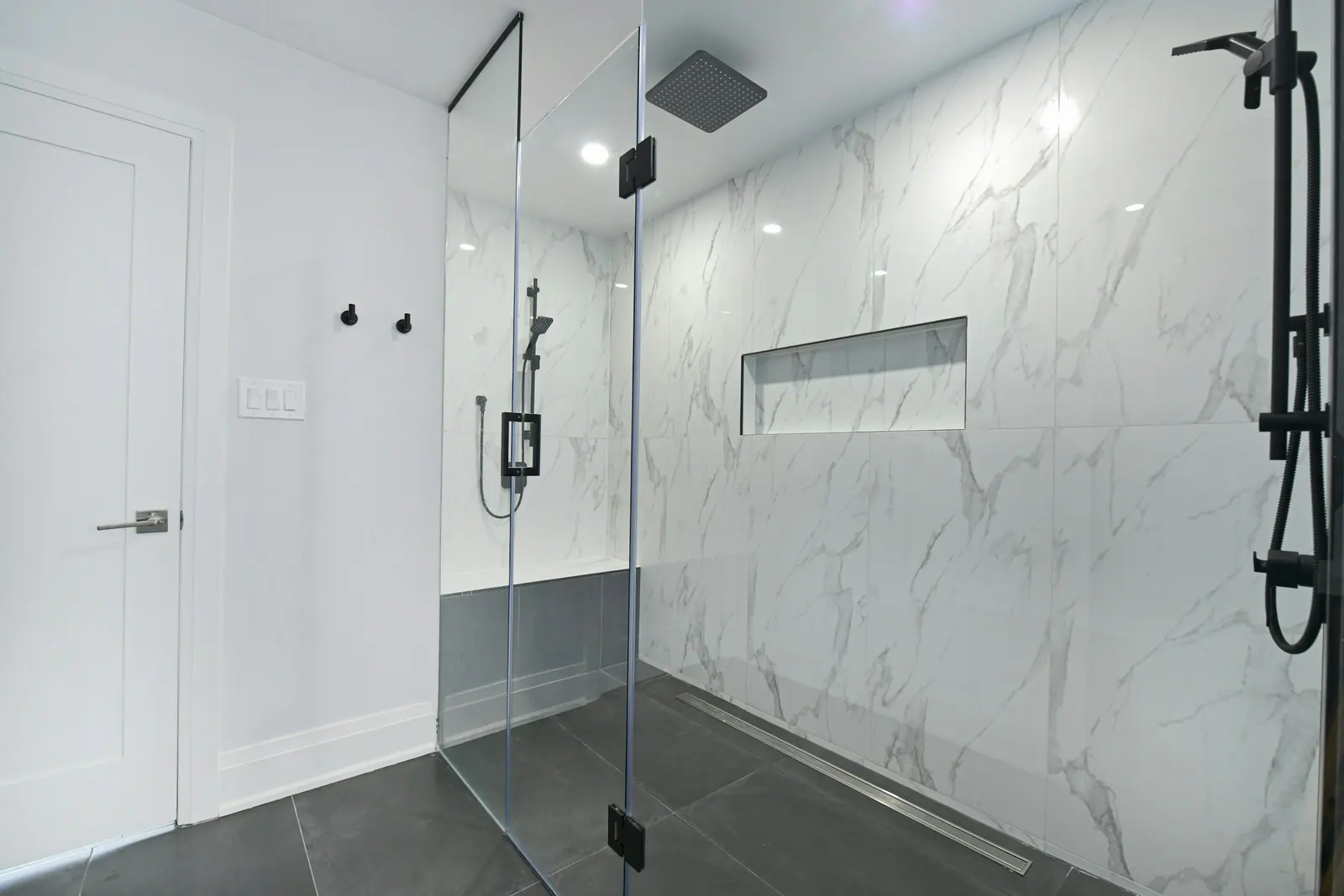
Key takeaways
- A conversion is usually worth it when another bathtub stays in the house; removing the only tub is the main resale risk.
- Fixr notes that most homebuyers look for at least one tub in a home.
- A CDC report on bathroom injuries found the highest rates in and around the tub or shower, and falls caused 81.1% of the injuries.
- In This Old House's 2026 survey, 64% of homeowners who added a walk-in shower felt it raised their home's value.
Most owners who ask about removing a bathtub have the same worry: will a walk-in shower make the house harder to sell, or easier to live in? The short answer is that a conversion usually pays off in daily use when another tub stays in the house, and it carries a real resale risk when it removes the only one.
This article lays out what cost guides, the Cost vs. Value Report and CDC injury data say, so you can decide with facts rather than rules of thumb. It does not cover price; our tub-to-shower conversion cost guide does.
In this article
Is a bathtub to shower conversion worth it?
Quick answer
A bathtub to shower conversion is worth it for most homes that keep a second tub. The new shower is easier to step into, easier to clean and easier to use as you age, and the resale risk is small when buyers still find a tub elsewhere. The case gets weaker when the tub is the only one in the house, when young children bathe there, or when someone in the home soaks often. In those cases, a new surround or a handheld shower over the tub can freshen the room while keeping the tub.
Our tub to shower conversion work starts with that question rather than with the tile: which tub stays, which one goes, and who uses each bathroom. The rest of this article helps you see which group your household falls into.
Does removing a bathtub hurt resale value?
Quick answer
Removing the only tub can hurt resale; removing a second one usually does not. Fixr's conversion guide says most homebuyers look for at least one tub in a home, and it suggests leaving the only tub in place to avoid a hit to value. This Old House's 2026 guide gives the same advice to owners planning to sell soon: keep at least one bathtub elsewhere. The same guide adds that replacing a secondary tub can broaden buyer interest, and that many buyers like walk-in showers in primary and guest bathrooms.
The pattern is clear. One tub in the house, ideally in a hall or family bathroom, covers buyers with young children, and the other bathrooms can then change to suit the people who live there now.
Resale returns on bathroom updates
A well-planned bathroom update returns a good share of its cost at resale, though not all of it. The 2025 Cost vs. Value Report shows a national midrange bath remodel recouping 80% of its cost, and a universal design bath, built around easier access, recouping 61.2%. Neither project is a conversion on its own, so read them as a guide to how buyers value updated bathrooms in general.
Homeowners feel the gain too. In This Old House's 2026 survey of people who installed a walk-in shower, 64% felt the renovation raised their home's value and 56% said it improved comfort or quality of life. Plan the shower for daily use first, and count resale as a second benefit.
When does a walk-in shower make a bathroom safer?
Quick answer
A walk-in shower makes a bathroom safer when stepping over a tub wall has become hard or risky. A 2011 CDC report, based on 2008 emergency room data, found that falls caused 81.1% of nonfatal bathroom injuries and that the highest injury rates occurred in or around the tub or shower. Bathing was the activity in 37.3% of the injuries. CDC's falls data adds that more than 14 million older adults, one in four, report falling each year.
A low entry removes the high step, and grab bars and a seat give support where people lose balance. Our accessible bathroom remodel page covers those ADA-style features together, from blocking inside the walls to a handheld spray within reach of a seat.
Households that gain most from converting
The people who gain most are those who rarely bathe in the tub and want an easier daily shower, especially when stepping over the tub wall has started to feel unsteady. Owners who plan to stay for many years also gain, because they collect the daily benefit for longer. The table below sums up common situations and how they usually point. It is a planning aid, not a rule; your household may weigh things differently.
Common household situations and whether they point to converting or keeping the tub
| Your situation | Usually points to | Why |
|---|---|---|
| Two or more bathrooms, another tub stays | Convert | Buyers still find a tub, and daily use improves |
| Only one tub in the house, selling soon | Keep the tub | Most buyers look for at least one tub |
| Someone finds the tub wall hard to step over | Convert | A low entry removes the riskiest step |
| Young children bathe in this tub | Keep the tub, or convert a different bathroom | A shower is harder for bathing small children |
| The tub is used for soaking every week | Keep it, or plan a separate tub | A feature you use every week is hard to give up |
| Planning to stay many years | Convert if comfort matters more than resale | You collect the daily benefit for longer |
What are the downsides of removing a bathtub?
Quick answer
The main downsides are lost bathing options, a possible resale effect if it was the only tub, and the cost of a tiled shower if you choose one. Families with small children may miss the tub first. People who soak for sore muscles lose that option unless another tub remains. A conversion also touches plumbing, so a drain move or a new valve adds to the bill. Finally, a large walk-in shower needs good waterproofing and a properly sloped floor.
None of these is a reason to avoid a conversion, but each is worth naming before you sign. Ask whoever prices the job how the quote handles the drain position, the valve, the slope of the shower floor and the membrane behind the walls.
Keeping the tub but lowering the step
For some households, keeping the tub is the better middle path. If the tub is the only one in the house, you can keep it and still reduce the effort of daily use. A new tub surround, a handheld shower on a slide bar, a grab bar on the back wall and a slip-resistant tub floor all make the tub easier to use without removing it. Some owners convert one bathroom now and keep the second tub for children, guests or resale. Another option is to replace the tub with a lower-sided model when the bathroom is remodeled.
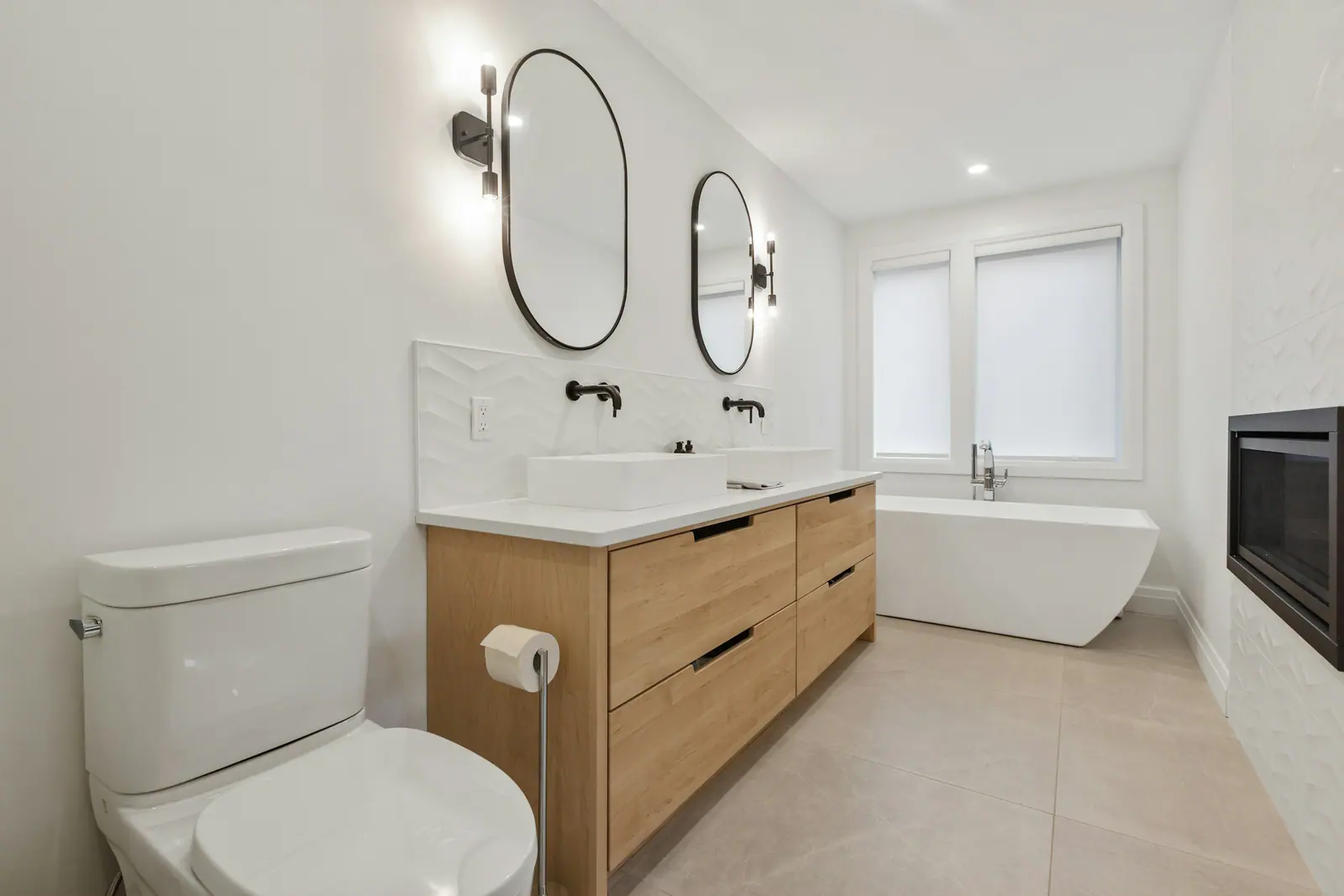
Each of these keeps a bathing option in the home while lowering the effort it takes to use it.
What should you weigh before you decide?
Quick answer
Weigh how the bathroom is used today, how it will be used in five or ten years, and whether a tub remains elsewhere. Then compare a few shower designs on paper before choosing. A walk-in shower can be a simple prefab unit or a fully tiled shower with a bench and niche; our walk-in shower installation page shows both. Think too about who your likely buyers are, since buyer needs differ from one market to the next.
Questions to answer as a household:
- How many times a month does anyone take a bath in this tub?
- Is there another tub in the house, and will it stay?
- Does anyone struggle to step over the tub wall now?
- Will a parent or relative with limited mobility visit or move in?
- How long do we expect to live here?
If you are weighing a conversion for bathroom remodeling in the Kansas City metro, our team can look at both bathrooms during one visit and help you decide which tub to keep. See how it works first if you like.
Frequently asked questions
Does converting a tub to a shower lower home value?
It can if the tub was the only one in the house. Fixr's conversion guide says most homebuyers look for at least one tub, so removing the only one could have a negative effect on value. This Old House's 2026 guide advises keeping at least one bathtub elsewhere if you plan to sell soon. When a second bathroom keeps its tub, converting the other one is generally a low resale risk.
Is a walk-in shower safer than a tub for older adults?
A walk-in shower removes the high tub wall you have to step over, which is where many bathroom falls happen. A 2011 CDC report on 2008 data found the highest bathroom injury rates in or around the tub or shower, and falls caused 81.1% of bathroom injuries. A low entry, a grab bar and a place to sit reduce the need to balance on one foot.
Will I regret removing my bathtub?
Some owners do, mostly those who bathe young children or enjoy soaking. Before you decide, count how often anyone in the home uses the tub for a bath rather than a shower. If the answer is rarely, and another tub exists in the house, a conversion is usually a practical change. If the tub gets weekly use, consider keeping it and updating the surround instead.
How much of a bathroom remodel comes back at resale?
The 2025 Cost vs. Value Report shows a national midrange bath remodel recouping 80% of its cost and a universal design bath, built for access, recouping 61.2%. Those are model projects, not a conversion on its own, but they show that a well-planned bathroom update returns a good share of its cost. Plan the shower for daily use first and treat resale as a secondary benefit.
Sources
The published pages this guide draws on. Every figure in it comes from one of them, never from our own prices.
This Old House
How Much Does Tub-to-Shower Conversion Cost? (2026 Guide)
Accessed
Fixr
Bathtub to Shower Conversion: Cost, Tips & More
Accessed
This Old House
How Much Does a Walk-In Shower Cost? (2026 Guide)
Accessed
Journal of Light Construction
2025 Cost vs Value Report: National Averages
Accessed
CDC, Morbidity and Mortality Weekly Report
Nonfatal Bathroom Injuries Among Persons Aged ≥15 Years, United States, 2008
Accessed
Centers for Disease Control and Prevention
Accessed