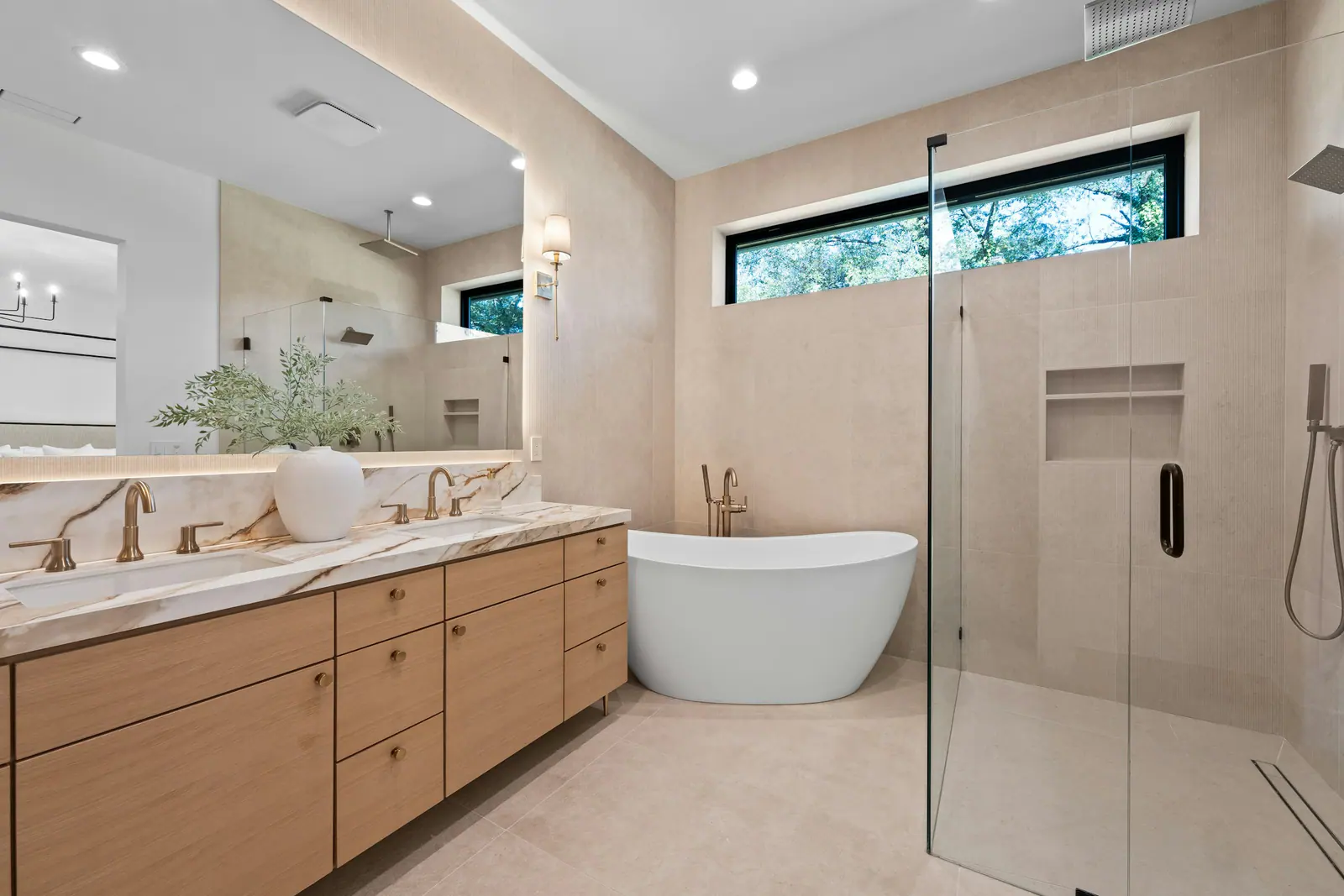
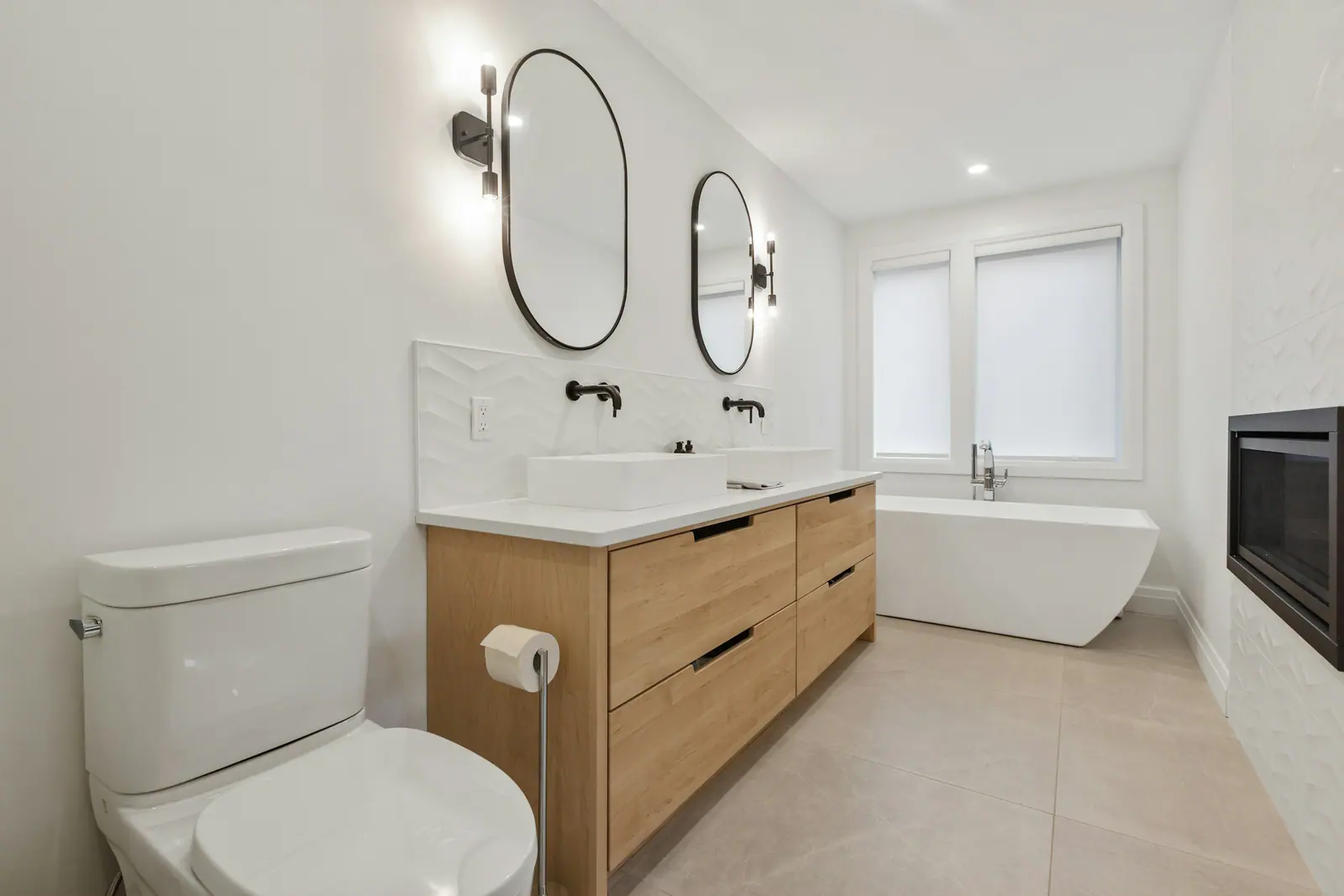
Do you need a permit to remodel a bathroom?
Do you need a permit to remodel a bathroom? Which work needs one, what Wichita, Tulsa and Oklahoma City permit offices say, and who should pull it.
Key takeaways
- Finish work such as paint, tile, cabinets and countertops replaced in place usually needs no permit; plumbing, electrical and structural changes usually do.
- Wichita's permit office (MABCD), Tulsa and Oklahoma City each publish their own permit rules, so check the office for your address.
- The contractor should pull the permit: Sedgwick County's MABCD tells homeowners to say no if a contractor asks them to pull it.
- Fixr's 2026 cost breakdown counts permits as about 4% of a typical bathroom remodel budget.
Permits are the part of a bathroom remodel most owners know least about. The short version is that cosmetic work usually does not need one, and work on plumbing, wiring or structure usually does. The long version depends on your city, because each building department sets its own rules. This guide gives the general pattern, quotes what the Wichita, Tulsa and Oklahoma City permit offices say on their own pages, and explains who should pull the permit. It is general guidance, not legal advice, and we confirm the rules for your address at the home visit.
In this article
Do you need a permit to remodel a bathroom?
Quick answer
You need a permit to remodel a bathroom when the work goes beyond surfaces. Replacing paint, tile, cabinets or countertops that were already there is often treated as finish work with no permit. Moving or adding plumbing, adding circuits or a fan, removing or moving walls, or changing the layout usually needs a building permit and one or more trade permits. Requirements vary by city and by the exact scope, so treat this as a starting point and check before demolition.
Our full bathroom remodel work takes a room back to the studs, so it usually includes plumbing or electrical work that a city wants to inspect. A smaller job, such as new tile on sound walls, may need nothing at all. The difference is what happens behind the surface, and that is the question to settle before anyone opens a wall.
Finish work against plumbing, wiring and walls
Work that changes systems or structure usually needs a permit, and work that replaces finishes in place usually does not. The table below sums up the common pattern across building departments. It is not a rule for any one city: the local office makes the final call, and some cities are stricter than others. When a project mixes both kinds of work, such as new tile plus a moved drain, plan on the whole job being treated as permitted work.
The common permit pattern for bathroom work, not a rule for any one city
| Bathroom work | Usually needs a permit? |
|---|---|
| Paint, wallpaper, a new mirror or towel bars | Usually no |
| Replacing tile, cabinets or countertops in place | Usually no |
| Swapping a faucet or toilet in the same spot | Often no; varies by city |
| Moving a drain, toilet or shower location | Usually yes (plumbing) |
| Replacing a shower valve inside the wall | Often yes; varies by city |
| Adding a circuit, outlet, light or exhaust fan | Usually yes (electrical) |
| Replacing a water heater for a new tub | Usually yes |
| Removing, moving or adding walls | Usually yes (building) |
| Changing a window size in the shower | Usually yes (building) |
What do Wichita, Tulsa and Oklahoma City say about remodel permits?
Quick answer
All three offices require permits for remodel work that goes beyond replacing existing finishes, and all three suggest you call to confirm. Sedgwick County's MABCD, which handles permits under City of Wichita and Sedgwick County codes, lets you repair or replace paint, wallpaper, tiling, carpeting, cabinets and countertops that were already there, but requires a permit for new construction and changes. Tulsa and Oklahoma City set out the work that needs a permit on their own pages, summed up in the table below.
Tulsa's Plans Review page says a permit is typically needed to remodel, move or repair walls, floors, ceilings, windows or doors, and that one project may need building, electrical, mechanical and plumbing permits. Oklahoma City's Building and Trade Permits page says permits are required to construct, alter, repair, enlarge, move or demolish any structure, with separate permits for the trades.
What each permit office's own page says
| Office | What its own page says | Notes |
|---|---|---|
| MABCD (Wichita, Sedgwick County) | Finish work that was there before can be repaired or replaced; new construction and changes need a permit | Homeowner permits only for owner-occupants who pass a trade exam or name a subcontractor |
| City of Tulsa | Permit typically needed to remodel, move or repair walls, floors, ceilings, windows or doors; trade permits may also apply | Priority review exists only for small interior remodels that meet strict conditions |
| City of Oklahoma City | Permits required to construct, alter, repair, enlarge, move or demolish a structure; separate trade permits | Electrical, plumbing and mechanical contractors must hold a state license; certain contractors must also register with the city |
If your home is in Wichita, MABCD is the office whose rules apply. For a home in the Kansas City metro, the answer depends on which city the address is in, as the last section of this guide explains.
Who should pull the permit, you or the contractor?
Quick answer
The contractor doing the work should pull the permit. The Federal Trade Commission lists a contractor who asks you to get any required building permits among the warning signs of a home improvement scam. Sedgwick County's MABCD is blunt: if a contractor asks you to pull the permit, say no, and call MABCD to check the contractor's license and insurance. A permit in the contractor's name ties the inspections to the people who did the work.
MABCD allows homeowner permits only for owners who live in the home, and only after the owner passes a trade exam or names a qualified subcontractor for each trade. If you own the home but do not live there, MABCD says you must use a contractor who holds the right license. We check the rules for your address at the home visit, and any permit work appears in the written quote.
Does a tub-to-shower conversion need a permit?
Quick answer
A tub-to-shower conversion often needs a permit, because most conversions touch plumbing. Removing a tub and setting a shower base on the same drain may be treated as a fixture swap in some cities. Moving the drain, replacing the valve, or opening the wall to change the supply lines is plumbing work that usually needs a permit. Changing a window in the wet area adds building work. Our tub-to-shower conversion page explains the plumbing side of the job.
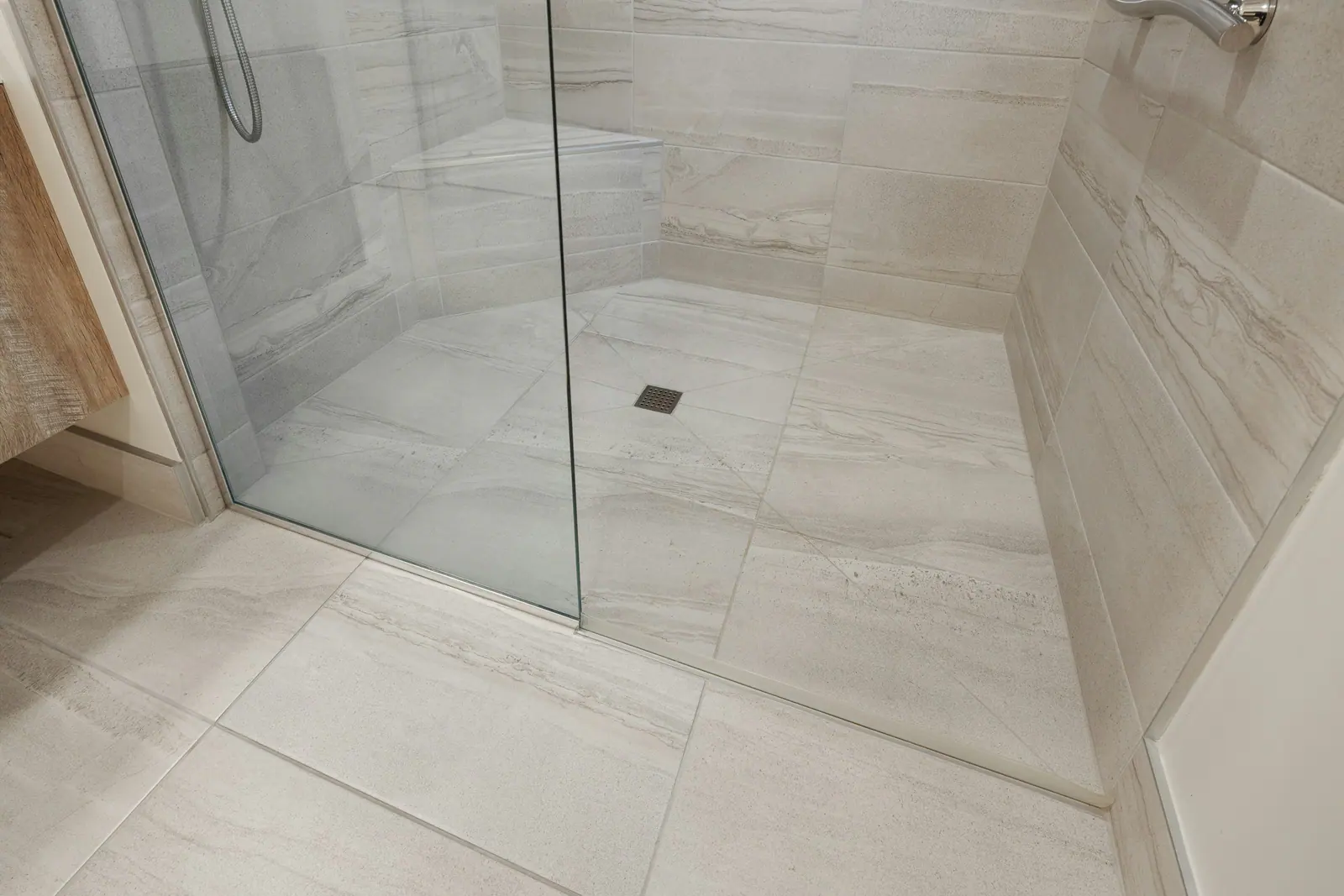
A curbless shower usually means lowering part of the floor so water still runs to the drain, which can bring framing into the job as well as plumbing. We check your city's rule before we quote any shower conversion.
How much does a bathroom remodel permit cost?
Quick answer
A bathroom remodel permit usually costs a small share of the whole budget. Fixr's 2026 cost breakdown counts permits as about 4% of a typical bathroom remodel. This Old House's 2026 walk-in shower guide says permit fees vary by municipality. The fee depends on how the city calculates it, often by project value or by the number of trade permits. Ask for the permit fee as its own line in the quote, so you know it is included and who is paying it.
The published dollar ranges for whole projects, with permits as one line among many, are in our bathroom remodel cost guide and in the post on what a bathroom remodel costs.
Inspections before the walls close
An inspector checks the work that will be hidden once the walls and floor are closed. That usually means plumbing drains and supply lines, the shower valve, electrical boxes and wiring, and sometimes framing or waterproofing. MABCD notes that once a permit is issued, the permit holder is responsible for scheduling and passing all inspections. The inspection is a second set of eyes on work that will sit behind tile for years. It also puts the work on record, which matters when you sell and a buyer asks what was done.
How to get through inspections without delay:
- Ask your contractor which inspections your city requires and at which stage.
- Keep the permit card posted where the inspector can see it.
- Do not let tile or drywall cover work that still needs a sign-off.
Permit offices across the Kansas City metro
Each city in the metro has its own building department and its own rules, on both sides of the state line. We have not quoted a Kansas City-area rule here, because the rule depends on which city your home is in. Wherever your home is in the metro, we check the permit requirements for your exact address at the home visit, and the written quote lists any permits and inspections so you can see what applies. Read how it works to see each step of a project with us.
Frequently asked questions
Do I need a permit to replace a shower or tub?
It depends on how much changes. Wichita's MABCD says you can repair or replace finish items such as tile, cabinets and countertops that were already there without a permit, while new construction and changes require one. Tulsa says remodeling or moving walls and floors typically needs a building permit and may need trade permits. Moving a drain or replacing a valve usually counts as plumbing work. We confirm the rule for your address at the home visit.
Can a homeowner pull a bathroom permit?
In some places, with conditions. Sedgwick County's MABCD lets a homeowner pull a permit only if they own and live in the home, and the homeowner must pass a trade exam or name a qualified subcontractor for each trade. If you own the home but do not live there, MABCD says you must use a contractor who holds the right license. Other cities set their own rules.
How much does a bathroom remodel permit cost?
Fixr's 2026 cost breakdown counts permits as about 4% of a typical bathroom remodel budget. This Old House's 2026 walk-in shower guide says permit fees vary by municipality. The fee depends on the city, the number of trade permits and the project value, so ask for it to appear as its own line in your quote. Our cost guide lists the published ranges for whole projects.
Is it a red flag if a contractor asks me to get the permit?
Yes. The Federal Trade Commission lists contractors who ask you to get any required building permits among the warning signs of a home improvement scam. Sedgwick County's MABCD gives the same advice: if a contractor asks you to pull the permit, say no and call MABCD to check the contractor's license and insurance. The company doing the work should pull it.
Sources
The published pages this guide draws on. Every figure in it comes from one of them, never from our own prices.
Metropolitan Area Building and Construction Department (MABCD), Sedgwick County
Accessed
Sedgwick County
Metropolitan Area Building and Construction Department
Accessed
City of Tulsa, Development Services
Accessed
City of Oklahoma City
Accessed
Federal Trade Commission
How To Avoid a Home Improvement Scam
Accessed
Fixr
How Much Does a Bathroom Remodel Cost? [2026 Data]
Accessed
This Old House
How Much Does a Walk-In Shower Cost? (2026 Guide)
Accessed